Québec highlights winter as the best season for long-term radon testing
Québec’s public-health guidance says radon cannot be seen or smelled and recommends long-term home testing during the heating season.
Québec’s government is using the start of the heating season to remind residents that radon levels inside a home can only be known through testing.
Radon is a naturally occurring radioactive gas that can enter buildings through foundations and accumulate in lower, less ventilated rooms. Because it has no colour, odour or taste, the province says a dosimeter is needed to measure it.
The government’s November 2 notice points residents to its standing guidance, which recommends leaving a passive dosimeter in place for at least three months, preferably between October and April. Results from a nearby house are not a reliable substitute because levels can vary greatly between neighbouring buildings.
Canada’s residential guideline is 200 becquerels per cubic metre. Québec’s page explains testing methods and directs residents with results above the guideline to certified mitigation professionals. The information is general public-health guidance, not an assessment of any individual home.
Sources: Gouvernement du Québec, news notice published November 2, 2026, and its residential radon guidance.
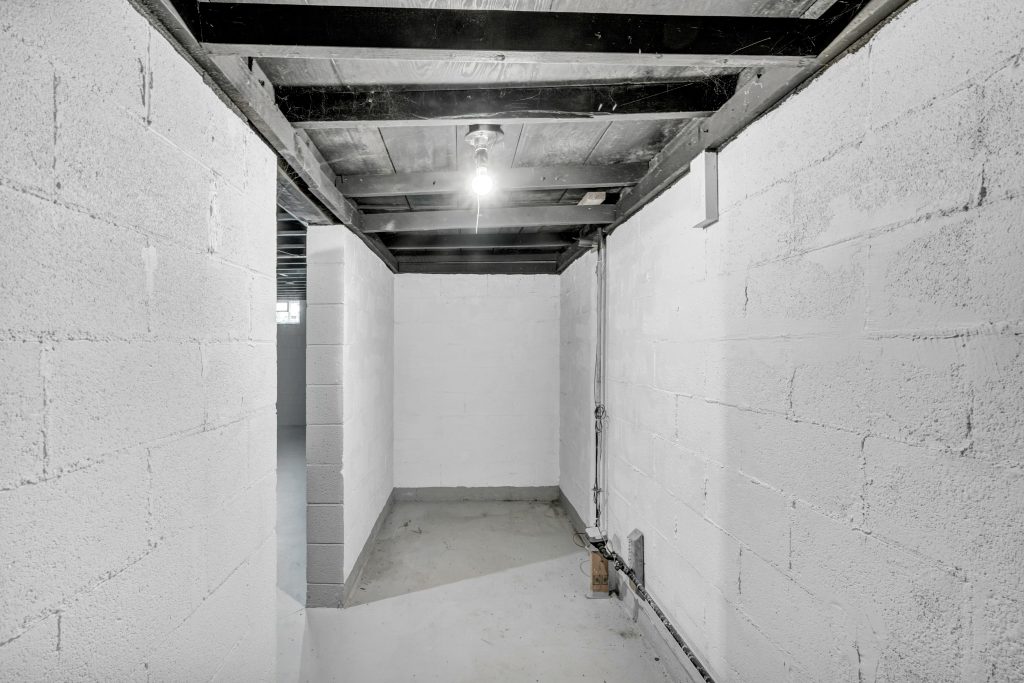
Featured image: illustrative stock photo of a basement by Josh Lemmon on Unsplash, used under the Unsplash Licence. It does not depict a radon test or a Québec property. Cropped/resized by WordPress.
AI-assisted news brief. Sources are linked above.
How we work